
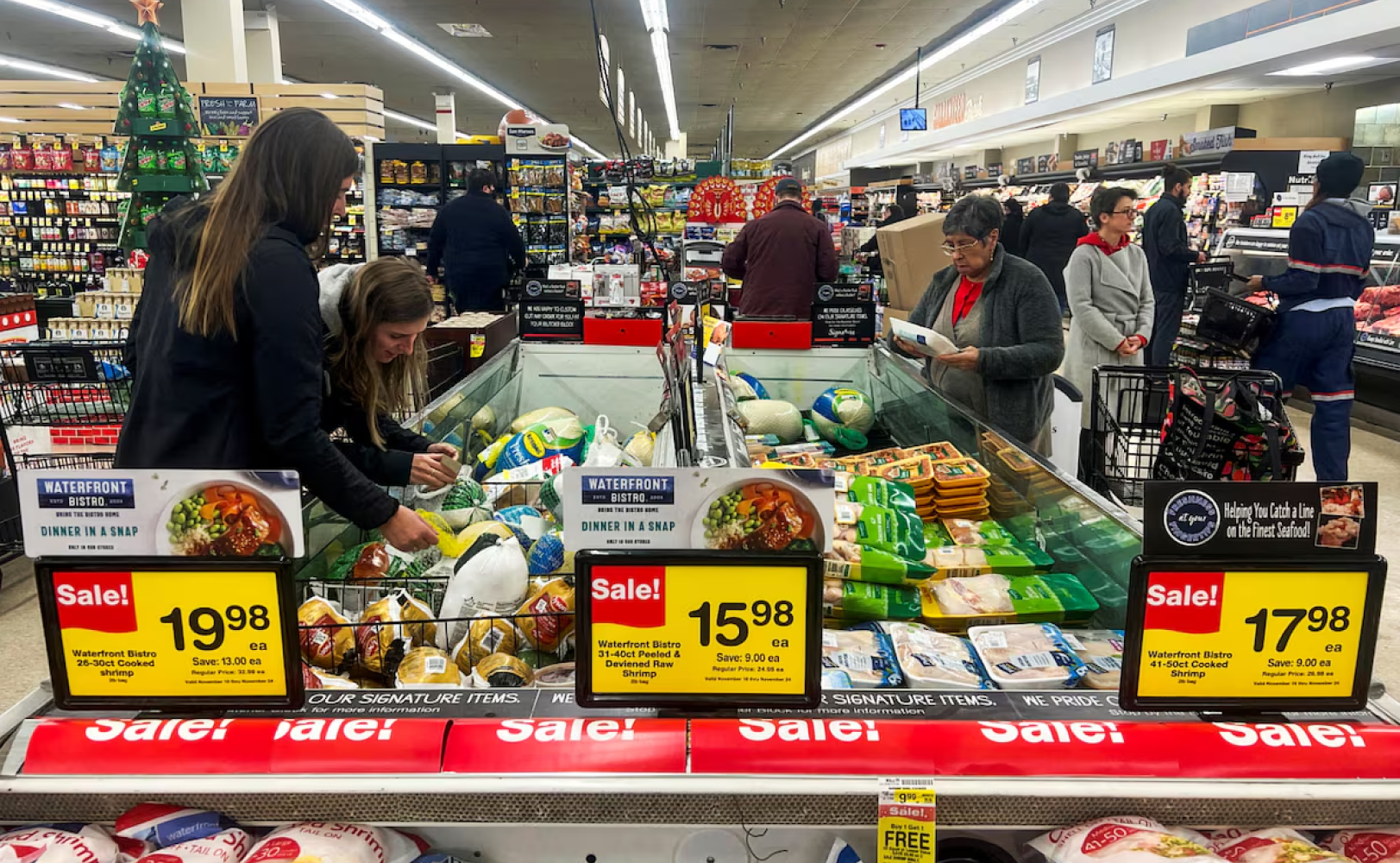
U.S. consumer confidence dropped sharply in January, reaching its lowest level in more than eleven years. The decline reflects growing concerns about the labor market and persistently high prices, factors that may push households to become more cautious with their spending.
The decrease in confidence was broad-based and affected consumers across political affiliations, with independents showing the most pessimism. The downturn has intensified pressure on the current administration, as critics point to rising living costs and trade policies as contributors to the affordability challenges faced by many households.
Although consumer confidence does not always move in line with actual spending, economists are paying closer attention to the fact that negative sentiment is now coupled with worsening views of the job market. Perceptions of job availability weakened significantly, reaching levels not seen in nearly five years. This has raised concerns about a potential slowdown in consumer spending in the coming months.
Despite the gloomy sentiment, most analysts do not expect the Federal Reserve to change its monetary policy in response. Interest rates are widely expected to remain unchanged, even as consumer expectations have fallen to a nine-month low. Some economists believe this could signal softer spending ahead, especially given stagnant real incomes and very low personal savings rates.
The consumer confidence index recorded a notable monthly decline, falling well below economists’ forecasts and marking its weakest reading since 2014. This drop contrasts with other recent surveys that showed a more moderate improvement in sentiment, highlighting mixed signals within the broader economic outlook.
Confidence fell most sharply among consumers aged 35 and over, as well as among both lower-income and higher-income households. While higher-income groups have been a key driver of recent spending strength, the decline in their confidence suggests that even these households may begin to pull back.
Concerns about inflation, fuel costs, food prices, tariffs, and broader political and labor market issues were frequently cited by respondents. References to health insurance costs and geopolitical tensions also increased.
Financial markets largely brushed off the negative data. U.S. stock markets traded higher, the dollar weakened against other major currencies, and government bond yields showed mixed movements.
Labor market perceptions continued to deteriorate, with fewer consumers describing jobs as plentiful and more saying they were hard to find. This shift increases the risk of a gradual rise in the unemployment rate, as businesses remain cautious about hiring amid trade uncertainty, immigration restrictions, and increased investment in automation and artificial intelligence.
Looking ahead, fewer consumers plan to make major purchases, travel, or buy homes in the next six months. While recent policy measures aim to improve housing affordability, economists believe their impact will be limited without a meaningful increase in housing supply. High construction costs, labor shortages, and tight inventory continue to keep house prices elevated, with further price growth expected over the course of the year.


Navegue por los mercados bursátiles y descubra un mundo de oportunidades.
Bullwaves es el nombre comercial de Equitex Capital Limited (número de registro 8434948-1), una empresa autorizada y regulada por la Autoridad de Servicios Financieros (la «FSA», número de licencia). SD185) con domicilio legal registrado en CT House, oficina número 9A, Providence, Mahe (Seychelles) y dirección física en la oficina núm. Al9C, Providence Complex, Providence, Mahe, Seychelles.
ETX Services Limited, con el número de registro mercantil HE455407, una empresa registrada en Chipre con domicilio social en Archiepiskopou Makariou lll 160, 3026 Limassol, es nombrada representante y distribuidora independiente.
Exención de responsabilidad por riesgos:
Los derivados extrabursátiles son instrumentos complejos y conllevan un alto riesgo de perder su capital inicial rápidamente debido al apalancamiento. Debe considerar si comprende cómo funcionan los derivados extrabursátiles y si puede permitirse asumir el alto nivel de riesgo para su capital. Invertir en derivados extrabursátiles conlleva riesgos importantes y no es adecuado para todos los inversores.
Al adquirir nuestros productos derivados, no tiene ningún derecho, derecho u obligación sobre el activo financiero subyacente. Equitex no es un asesor financiero y todos los servicios se prestan únicamente en función de la ejecución. La información es únicamente de carácter general y no tiene en cuenta sus objetivos financieros, necesidades o circunstancias personales. Los documentos legales importantes relacionados con nuestros productos y servicios están disponibles en nuestro sitio web. Debe leer y comprender estos documentos antes de solicitar cualquier producto o servicio de Bullwaves y obtener asesoramiento profesional independiente según sea necesario.
Restricciones regionales:
La información o los servicios descritos en este sitio web no están dirigidos ni se ofrecen a residentes de Bélgica, Israel, Irán, Maldivas, Corea del Norte, Estados Unidos, Afganistán, Bielorrusia, República Centroafricana, China, Irán, Rusia, Cuba, Libia, Nicaragua, Autoridad Palestina/Gaza/Cisjordania, Venezuela y a las jurisdicciones incluidas en las listas de sanciones del GAFI y la UE/ONU ni a ninguna otra persona en cualquier jurisdicción donde dicha distribución o uso sea contrario a las leyes o regulaciones locales. Para obtener más información, póngase en contacto con nuestro servicio de asistencia. Clientes que se incorporaron a través de www.bullwaves.com puede ponerse en contacto con nuestro equipo de soporte en support@bullwaves.com. Para quejas, envíenos un correo electrónico a compliance@bullwaves.com
Contact us by phone: +44 7488 822576
Risk Warning: CFDs are complex instruments and come with a high risk of losing money rapidly due to leverage. Investors should consider whether they understand how CFDs work before investing.